
How Often to Stain a Cedar Fence in Colorado Springs
In Colorado Springs, a Western Red Cedar fence should be stained every 2 to 3 years on south- and west-facing runs with intense solar exposure, and every 3 to 4 years on shaded north- and east-facing perimeters. National guidelines suggesting a 5-year cycle fail here because high-altitude UV radiation breaks down surface lignin rapidly.
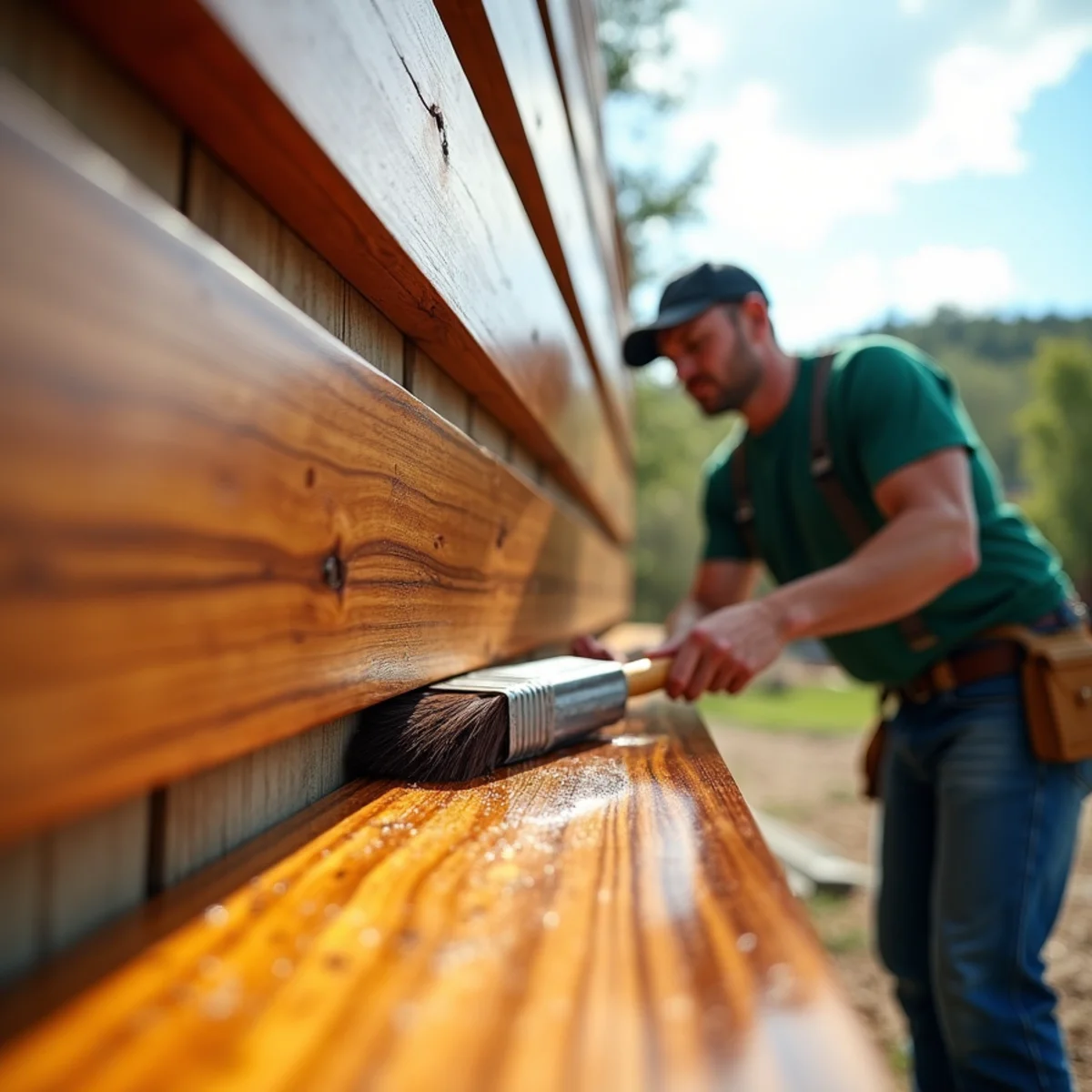
Field Insight on the Water Beading Diagnostic Test
Don't rely strictly on a calendar to decide when to re-stain. Perform the simple Water Beading Test: splash a handful of water onto mid-height pickets on a sunny afternoon. If water beads up and rolls off, your stain barrier is fully intact. If the water soaks into the wood within 10 seconds, turning the cedar dark brown, the protective oils are depleted and wood is vulnerable to cracking.
Guide Outline: How Often to Stain a Cedar Fence in Colorado Springs
- 1.High-Altitude UV Radiation: Why National Staining Schedules Fail in Colorado
- 2.The Water Beading Diagnostic: How to Test Picket Moisture Saturation
- 3.Sun Exposure Orientation: South and West Fences vs. Shaded North Runs
- 4.Penetrating Oil Stains vs. Film-Forming Sealers in Arid Climates
- 5.Surface Prep Protocol: Cleaning, Brightening, and Moisture Meter Reading
- 6.Frequently Asked Questions
High-Altitude UV Radiation: Why National Staining Schedules Fail in Colorado
Paint cans and big-box stain labels frequently promise '5 to 7 years of protection.' For homeowners living along the Colorado Front Range, these claims are dangerously misleading. National manufacturer ratings are tested in humid, low-elevation climates like Ohio or Florida, where cloud cover is frequent and UV intensity is moderate.
Colorado Springs enjoys over 300 days of sunshine per year at an elevation exceeding 6,000 feet. For every 1,000 feet of elevation gain, solar UV radiation increases by 4% to 5%. Consequently, your fence receives roughly 25% to 30% more destructive ultraviolet radiation than a fence in Dallas or Chicago.
UV radiation breaks down lignin—the natural cellular glue that binds wood fibers together. Once lignin is degraded, surface fibers turn silver-gray, loosen, and allow moisture and fungal spores to penetrate deep into the lumber.
Questions Regarding how often stain cedar fence colorado springs?
Call Jeremy directly for veteran-owned technical guidance on Front Range fencing.
| Elevation / Climate Zone | Annual Sunny Days | Effective UV Index | Expected Cedar Stain Longevity |
|---|---|---|---|
| Sea Level / Humid Coast | 180 – 210 Days | Moderate (Level 5–6) | 4 to 5 Years |
| Midwest / Great Lakes | 160 – 190 Days | Moderate (Level 5–7) | 4 to 5 Years |
| Colorado Springs (6,035 ft) | 300+ Days | Extreme (Level 9–11) | 2 to 3 Years (South/West faces) |
| Monument / Woodland Park (7,500+ ft) | 300+ Days | Severe (Level 10–12) | 2 Years (Penetrating oil required) |
The Water Beading Diagnostic: How to Test Picket Moisture Saturation
Rather than guessing whether your fence needs staining based on the calendar, use physical diagnostics. The Water Drop Test provides immediate, undeniable proof of your cedar's protective health.
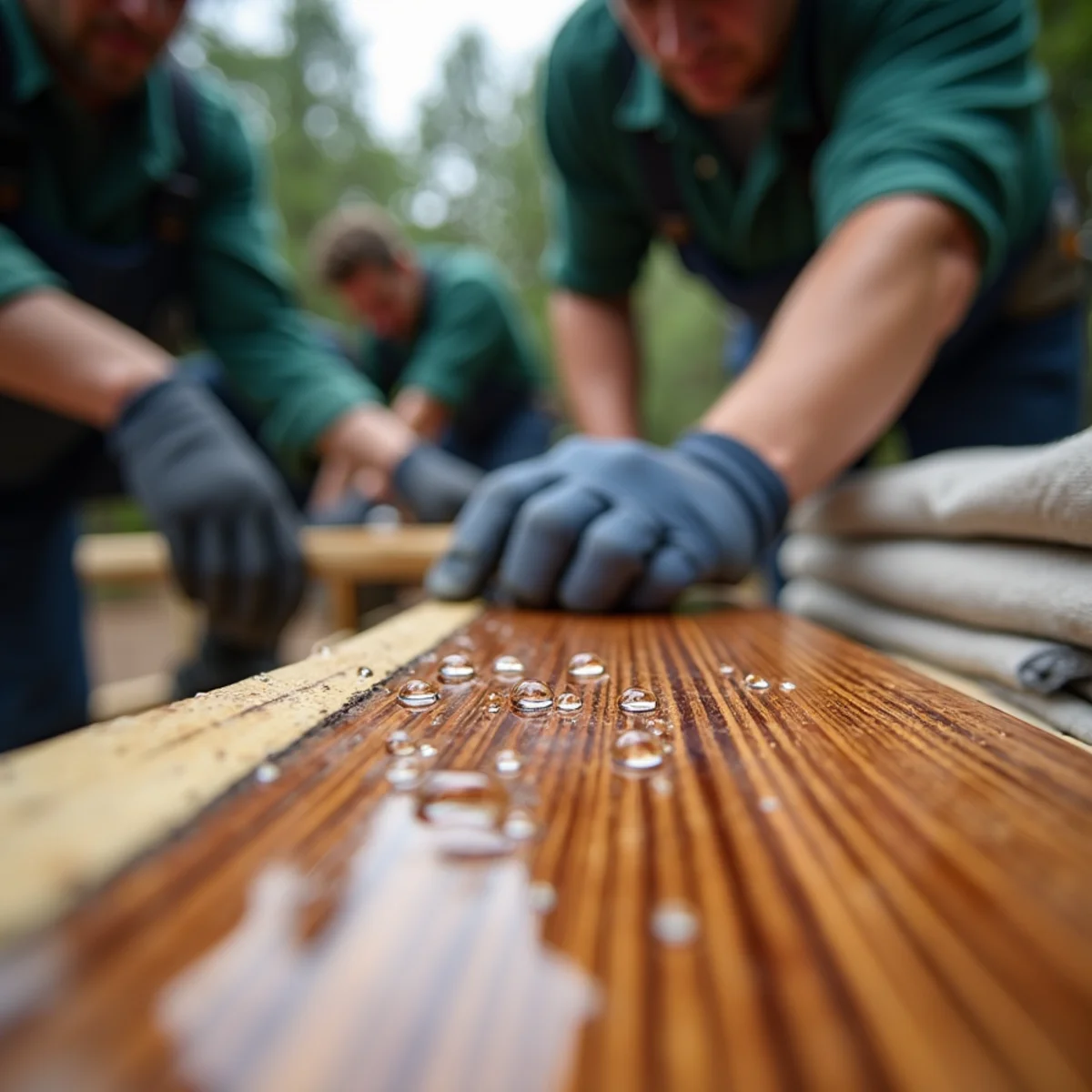
Take a cup of tap water and splash several droplets against different sections of your fence: test a sunny south-facing picket, a post collar near ground level, and a shaded board beneath a tree canopy. Observe the water's behavior over the next 60 seconds.
If the water forms tight beads that roll harmlessly down the face of the board, the wax or oil barrier is actively repelling moisture. However, if the droplets flatten out, spread, and soak into the grain within 15 seconds—leaving a dark wet stain—the protective seal is gone. The wood is absorbing water like a sponge and needs immediate staining.
Action Checklist:
- Test sunny south- and west-facing runs where UV wear is most rapid
- Splash water at ground-line pickets where sprinkler overspray hits
- If water soaks in within 15 seconds, schedule staining within 30 days
- Check horizontal rails: top edges dry out faster than vertical pickets
Sun Exposure Orientation: South and West Fences vs. Shaded North Runs
A perimeter fence rarely weathers at an even pace across all sides of your yard. Understanding the solar orientation of each boundary run helps you plan targeted maintenance without wasting money.
South-facing fence runs receive direct, high-angle ultraviolet radiation all day long, baking wood surfaces to temperatures exceeding 130°F on summer afternoons. West-facing runs endure the hottest, most punishing afternoon sun when ambient temperatures peak. These two exposures experience rapid stain degradation and typically require re-staining every 2 to 3 years.
Conversely, north-facing runs sit in shade for most of the year. While north runs receive less UV breakdown, they retain moisture longer after snowstorms, making them more prone to green moss and mildew growth. North runs generally last 4 to 5 years between stain coats.
| Fence Run Orientation | Daily Solar Exposure | Primary Climate Threat | Recommended Staining Cycle |
|---|---|---|---|
| South-Facing Runs | 8 to 10 hours direct intense sun | UV radiation burns off stain resins | Every 2 to 3 Years |
| West-Facing Runs | Hottest afternoon baking sun | Thermal shock & wood grain checking | Every 2 to 3 Years |
| East-Facing Runs | Gentle morning sun; afternoon shade | Moderate UV; balanced drying | Every 3 to 4 Years |
| North-Facing Runs | Continuous shade / low sun angle | Moisture retention, moss & mildew | Every 4 to 5 Years |
Penetrating Oil Stains vs. Film-Forming Sealers in Arid Climates
The single biggest mistake Colorado Springs homeowners make when staining cedar is choosing a film-forming, acrylic latex stain or clear varnish from a retail home center.
Film-forming stains sit on top of the wood like a plastic sheet. In Colorado's dry climate, cedar pickets constantly expand and contract with temperature and humidity changes. The plastic film cannot stretch with the wood, causing the coating to crack, blister, and peel within two seasons. Removing peeled acrylic requires days of toxic chemical stripping and aggressive power washing.
Professional contractors use penetrating oil stains (such as TWP, Armstrong Clark, or Ready Seal). Penetrating oils soak deep into the cellular grain of the cedar, replenishing natural wood oils without forming a surface film. When it's time to re-stain, you never scrape or strip: simply wash the dust off and apply a fresh coat.
Action Checklist:
- Select non-drying penetrating oil-based stains formulated with trans-oxide pigments
- Never apply solid latex paint or film-forming acrylic urethane to exterior cedar
- Choose semi-transparent or semi-solid tones: pigment provides vital UV blocking
- Ensure stain contains mildewcides and paraffin or natural conditioning oils
Surface Prep Protocol: Cleaning, Brightening, and Moisture Meter Reading
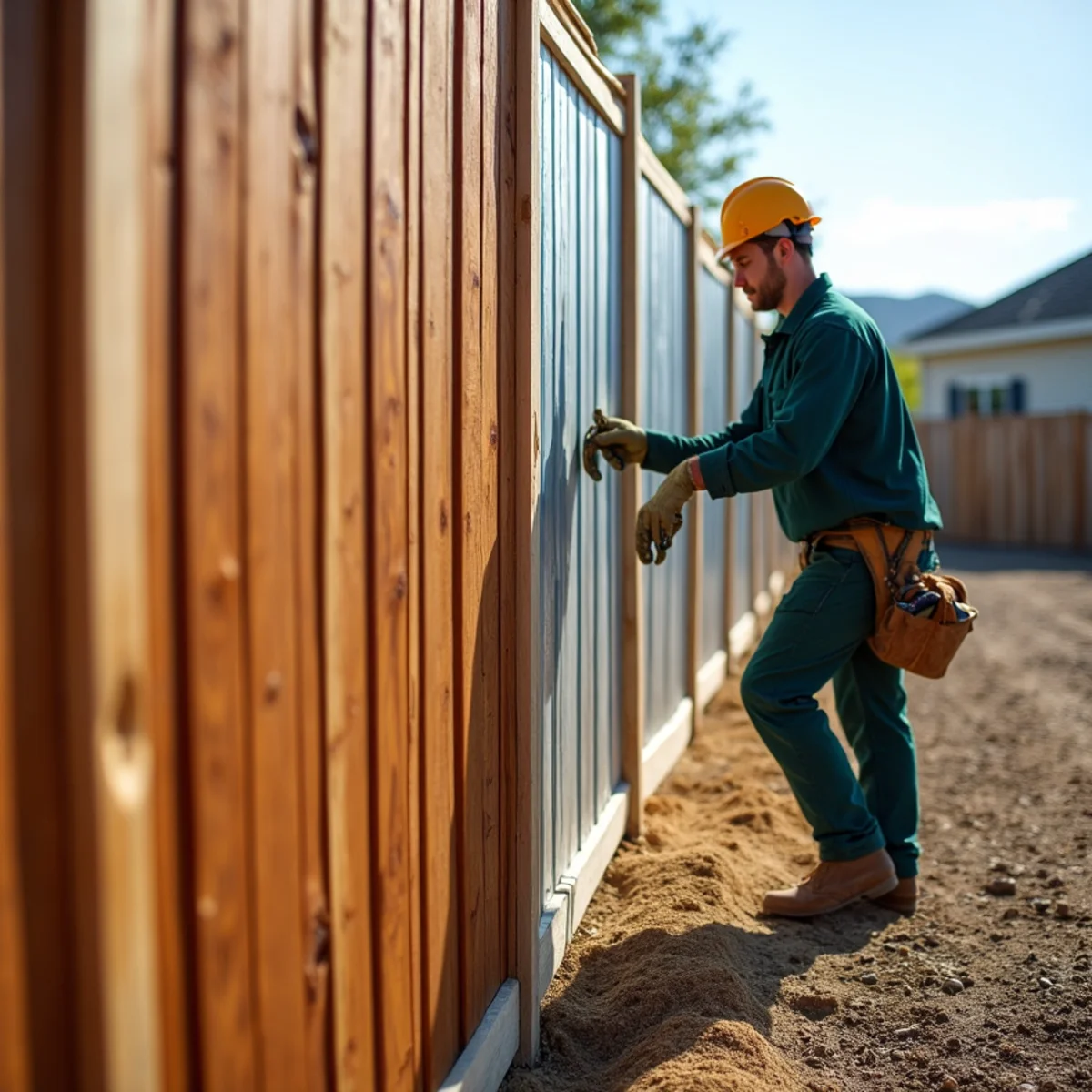
Applying premium stain over dirty, oxidized, or wet cedar is a recipe for premature failure. Proper surface preparation accounts for 75% of a professional staining job's longevity.
First, clean the surface using an oxygenated cleaner (sodium percarbonate) rather than harsh chlorine bleach, which damages wood lignin. Wash with moderate water pressure (under 1,200 PSI) to avoid raising the wood grain or gouging soft cedar fibers. Second, apply an exterior wood brightener (oxalic acid) to neutralize the cleaner, restore the wood's natural golden pH, and open the grain pores.
Finally, check wood moisture using a digital moisture meter. Never apply oil-based stain to wood with a moisture content exceeding 12% to 15%. Allow the fence to dry in the sun for minimum 48 hours following washing before applying stain.
Call Jeremy at (614) 543-4232 for dependable staining and restoration across El Paso County.
| Prep Milestone | Recommended Chemical / Tool | Purpose in the Process | Common DIY Mistake |
|---|---|---|---|
| Surface Cleaning | Sodium Percarbonate Cleaner | Lifts dirt, mold, and gray oxidized cells | Using high-pressure blast that gouges wood |
| Wood Brightening | Oxalic Acid Wood Brightener | Restores acidic pH & opens wood pores | Skipping brightener; results in dark, splotchy stain |
| Moisture Check | Pin-type Digital Moisture Meter | Verifies internal wood is dry (< 15%) | Staining damp wood; causes oil rejection |
| Stain Application | Airless sprayer with back-brushing | Forces oil deep into wood capillaries | Spraying only; leaves uneven dry spots |
Frequently Asked Questions
No. New Western Red Cedar contains natural mill glazes and internal moisture. Allow a new cedar fence to season in the Colorado sun for 4 to 8 weeks until internal moisture drops below 15% before applying penetrating oil stain.