
How Much Does a Fence Cost in Colorado Springs? | Cost Guide
In Colorado Springs, professional residential fence installation typically costs between $28 and $48 per linear foot for standard 6-foot Western Red Cedar privacy and $34 to $55 per foot for commercial-grade vinyl. A complete 150-linear-foot suburban backyard fence generally runs between $4,500 and $8,200 depending on gate configurations, slope grading, and caliche soil excavation.
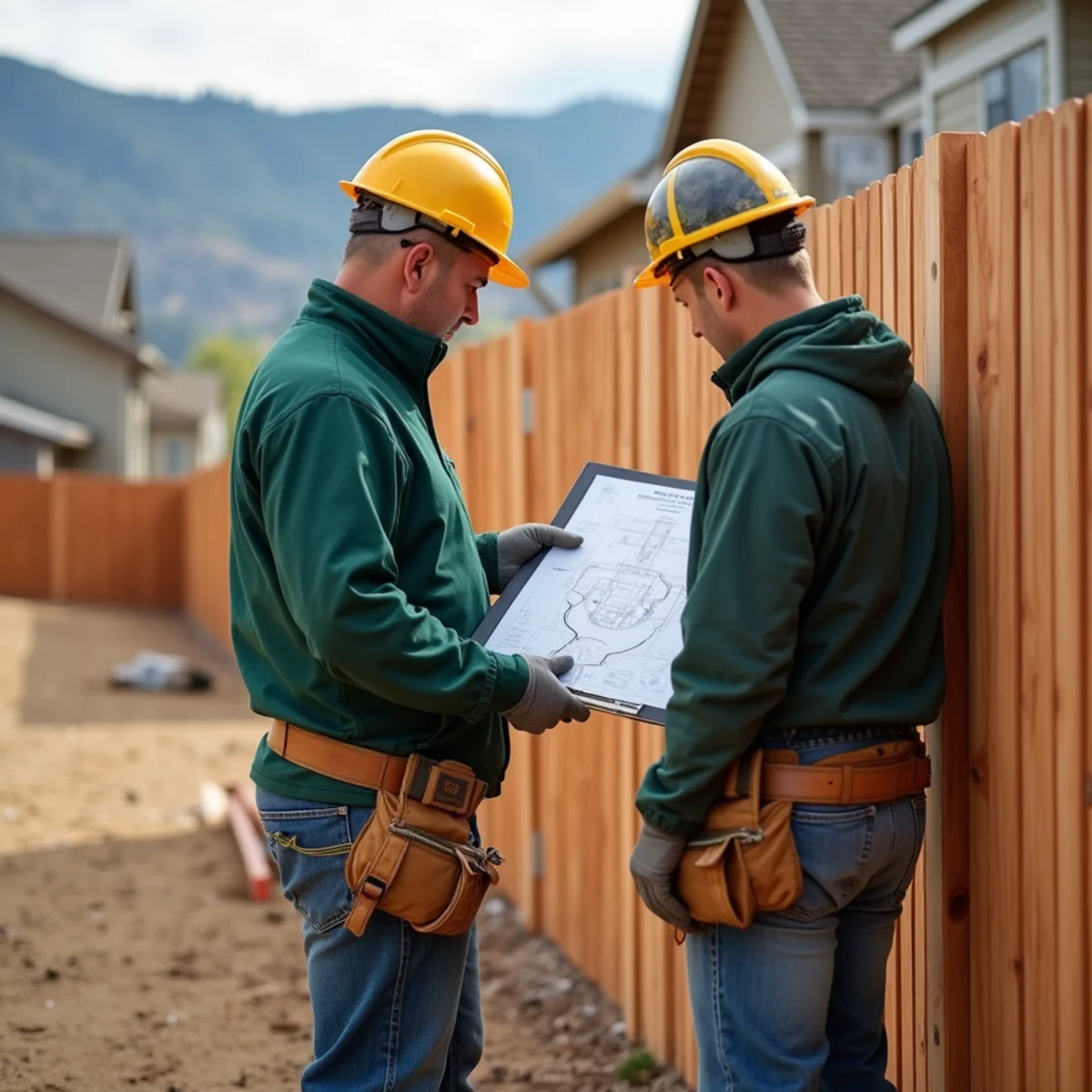
Field Insight on Rocky Soil Drilling and Dig Surcharges
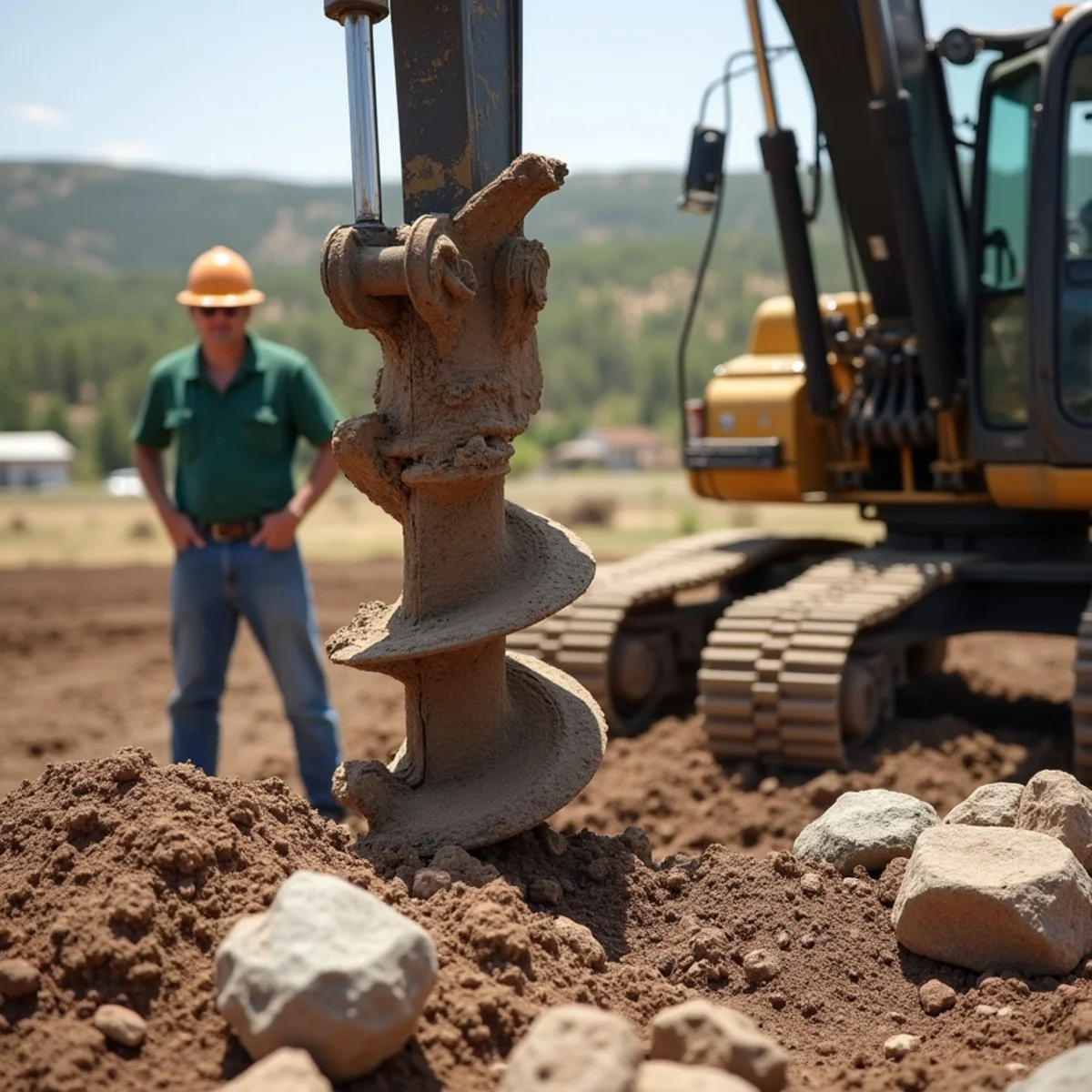
The biggest hidden cost variance in El Paso County is what lies 18 inches beneath your lawn. In Westside neighborhoods, Rockrimmon, and Mountain Shadows, our hydraulic augers hit decomposed granite and river boulders, requiring pneumatic jackhammers or rock drill bits. An honest contractor discloses rock-dig contingencies upfront rather than surprising you halfway through the build.
Tradeoff Consideration: Treated Pine vs. Western Red Cedar: Green pressure-treated pine pickets save $4 to $7 per linear foot upfront. However, under high-altitude Colorado sunshine (humidity dropping below 15%), pine pickets warp, cup, and twist within 18 months. Western Red Cedar offers natural dimensional stability that pays for itself over 15 to 20 years.
Guide Outline: How Much Does a Fence Cost in Colorado Springs? | Cost Guide
- 1.Baseline Investment Ranges: Cost Per Linear Foot Across El Paso County
- 2.Lumber Grade & Material Comparison: Cedar, Composite, Vinyl, and Steel
- 3.Subterranean Site Conditions: Rocky Terrain, Caliche Clay, and Dig Fees
- 4.Slope Engineering and Custom Gate Additions That Impact Estimates
- 5.Long-Term Cost of Ownership: Cheap Pine Builds vs. Veteran-Standard Cedar
- 6.Frequently Asked Questions
Baseline Investment Ranges: Cost Per Linear Foot Across El Paso County
When evaluating fence bids in Colorado Springs, understanding the per-linear-foot breakdown helps you compare contractor proposals accurately. Linear footage pricing encompasses the entire structural system: post excavation, commercial concrete footings, framing rails, vertical pickets, structural screws, and site cleanup.
For a standard 6-foot privacy fence, pricing varies substantially across material types. Chain link represents the most economical perimeter barrier at $18 to $28 per linear foot, frequently chosen for large acreage properties in Falcon or Black Forest. Ornamental aluminum and steel fencing range from $32 to $52 per linear foot, providing elegant boundary delineation for HOA properties in Briargate and Cordera without blocking Pikes Peak mountain views.
Western Red Cedar remains the gold standard for residential privacy, averaging $28 to $48 per linear foot. Vinyl fencing commands a premium upfront investment of $34 to $55 per foot, offset by zero future staining or painting requirements.
Questions Regarding fence cost colorado springs?
Call Jeremy directly for veteran-owned technical guidance on Front Range fencing.
| Fencing System | Installed Cost / Linear Foot | 150-Ft Backyard Average | Expected Service Life |
|---|---|---|---|
| 6-Ft Western Red Cedar Privacy | $28 – $48 / linear ft | $4,500 – $7,200 | 20 – 25 Years (with staining) |
| 6-Ft Heavy Extruded Vinyl Privacy | $34 – $55 / linear ft | $5,100 – $8,250 | 30+ Years (zero rot) |
| 4-Ft to 6-Ft Ornamental Steel/Iron | $32 – $52 / linear ft | $4,800 – $7,800 | 40+ Years (powder-coated) |
| 4-Ft to 6-Ft Galvanized Chain Link | $18 – $28 / linear ft | $2,700 – $4,200 | 25 – 30 Years (low maintenance) |
| 3-Rail Cedar Split Rail (Acreage) | $16 – $26 / linear ft | $2,400 – $3,900 | 15 – 20 Years (rural barrier) |
Lumber Grade & Material Comparison: Cedar, Composite, Vinyl, and Steel
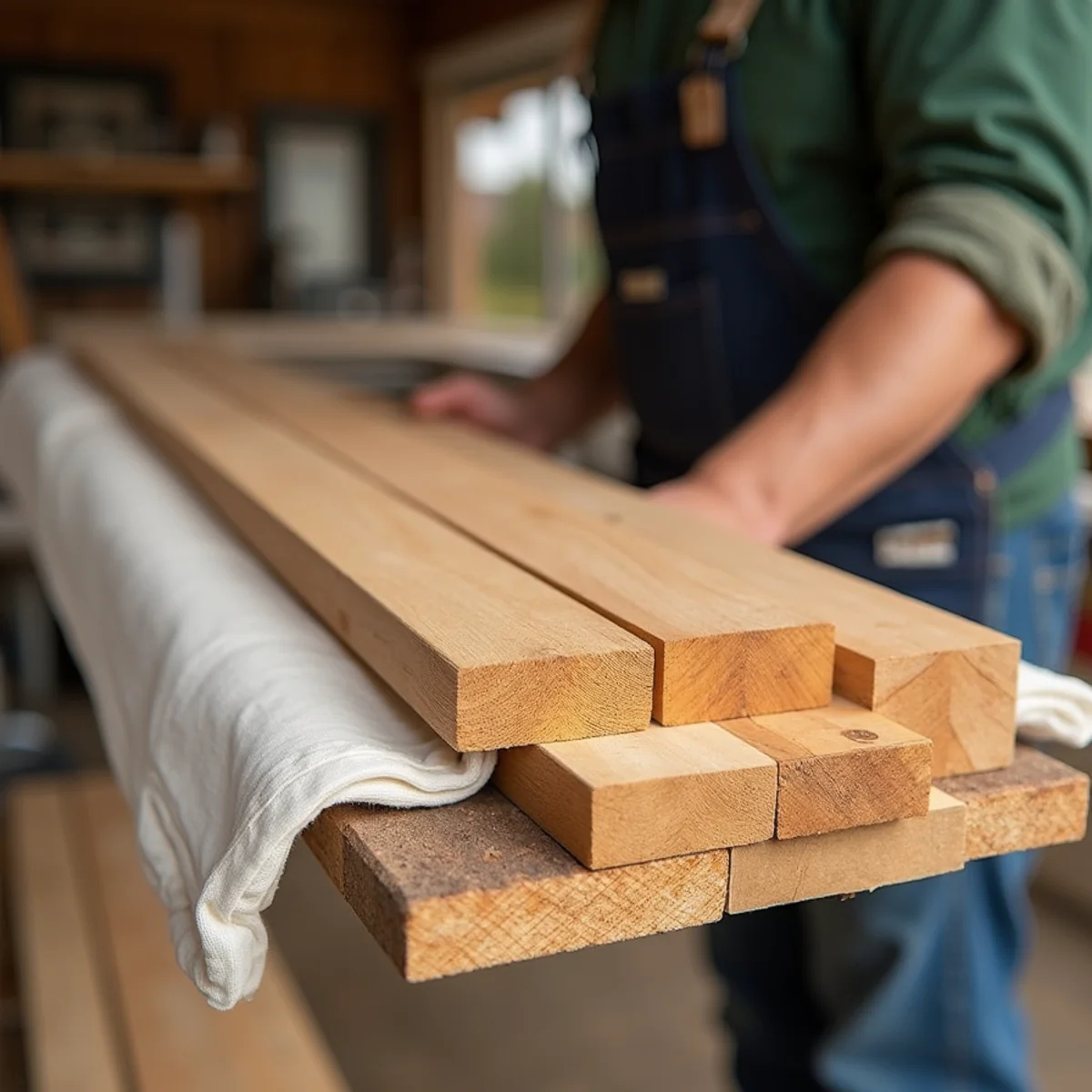
Not all lumber grades are created equal. National big-box retailers frequently advertise low package prices using #3 grade 'white wood' (spruce, lodgepole pine, or green fir). While inexpensive, white wood possesses zero natural insect or fungal rot resistance. When exposed to Front Range winter snowpacks, white wood absorbs moisture, initiating rot at the ground line within three to five seasons.
At Jeremy's Fences, we build exclusively with premium #2 or better Western Red Cedar and heavy PostMaster steel posts. Western Red Cedar contains natural thujaplicins—organic antimicrobial compounds that naturally deter wood-boring pests and fungal decay without chemical preservatives.
If you prefer maintenance-free alternatives, heavy-gauge vinyl with titanium dioxide UV stabilizers resists sun chalking, while powder-coated steel posts eliminate post rot completely.
Action Checklist:
- Verify fence lumber is genuine Western Red Cedar, not green pine or white fir
- Confirm pickets are full 5/8-inch or 3/4-inch thickness, not thin 7/16-inch dog-ear stock
- Check whether posts are heavy 4x4 pressure-treated timber or steel PostMaster channels
- Ensure framing rails are kiln-dried 2x4 Douglas Fir or Cedar to prevent mid-span sagging
Subterranean Site Conditions: Rocky Terrain, Caliche Clay, and Dig Fees
Colorado Springs terrain is geologically diverse. Soil conditions shift dramatically from the eastern plains of Falcon and Cimarron Hills to the rocky foothills of Rockrimmon, Westside, and Cheyenne Mountain.
In eastern El Paso County, expansive bentonite clay and sandy loam allow hydraulic tractor augers to bore cleanly to 24 or 30 inches. However, in the foothills, dense caliche clay (calcium carbonate cemented soil) and glacial cobble rock require mechanical rock teeth, jackhammers, or hand digging with heavy steel spud bars. Digging a single post hole in solid rock can take over an hour of intense labor.
Most reputable contractors include standard soil digging in their baseline linear foot estimate, but specify a rock clause ($25 to $50 per hole surcharge) if underground boulders or bedrock require pneumatic demolition.
| Geological Zone / Neighborhood | Dominant Soil Characteristic | Excavation Difficulty | Typical Surcharge per Post |
|---|---|---|---|
| Falcon / Peyton / Falcon Meadows | Sandy loam & topsoil | Standard mechanical auger | $0 (included in base) |
| Powers Corridor / Stetson Hills | Expansive clay (bentonite) | Moderate resistance | $0 – $15 (if heavily compacted) |
| Rockrimmon / Peregrine / Foothills | Decomposed granite & boulders | Severe (pneumatic jackhammer) | $30 – $55 per rock hole |
| Cheyenne Mountain / Broadmoor | Cobble rock & sandstone shelves | High (diamond core/spud bar) | $35 – $60 per rock hole |
Slope Engineering and Custom Gate Additions That Impact Estimates
Two major structural features heavily influence the final contract price: elevation changes and entry gates.
Properties with rolling terrain require custom framing. There are two primary methods for fencing slopes: racking (contouring rails parallel to ground grade) and stepping (keeping horizontal rails level while dropping panels like steps). Stepping requires longer posts (typically 8-foot or 9-foot timbers set 36 inches deep) and custom picket trimming, increasing labor costs by 10% to 20% along sloping boundaries.
Gates represent the highest-wear mechanical component of your fence. A standard 4-foot pedestrian gate adds $250 to $450 to the project, while a heavy 10-foot or 12-foot double-drive gate for RV access ranges from $600 to $1,400. Quality gate builds require steel anti-sag truss kits and 6x6 heavy timber or steel hinge posts.
Action Checklist:
- Determine whether neighborhood HOA covenants mandate stepped or racked slope fencing
- Specify width for pedestrian gates (minimum 36 to 48 inches for riding lawnmowers)
- Plan double-drive gate locations for utility trailer, camper, or skid-steer access
- Ensure heavy gates utilize adjustable J-bolt hinges and cane bolt ground anchors
Long-Term Cost of Ownership: Cheap Pine Builds vs. Veteran-Standard Cedar
Evaluating fence cost strictly on initial installation bid is a financial trap. Cheap fences built with thin pine boards and dry-poured concrete typically begin failing at year 4: pickets warp, gates drag on the turf, and shallow posts lean under wind pressure. By year 7, the fence requires major structural overhaul or total replacement.
A premium Western Red Cedar fence constructed to our Veteran Standard (24-inch deep footings, 100 lbs of mixed concrete, ceramic screws) lasts 20 to 25 years with routine staining every three years. When you calculate the cost per year of service life, our veteran build costs roughly $280 per year, compared to $650+ per year for budget builder fences that must be rebuilt every decade.
Call Jeremy directly at (614) 543-4232 for an upfront, honest on-site consultation. We measure your boundary with laser precision, inspect soil conditions, and provide a clear, no-nonsense written proposal.
| Cost Metric | Budget Builder Fence (Treated Pine) | Jeremy's Fences Veteran Standard (Cedar) |
|---|---|---|
| Initial Installed Cost (150 ft) | $3,600 ($24/ft) | $5,400 ($36/ft) |
| Average Lifespan in Front Range | 7 – 9 Years | 22 – 25 Years |
| Maintenance Required | Annual screw fixes, warped picket swaps | Staining every 3 years; zero rot |
| Annualized Cost of Ownership | ~$514 / year | ~$245 / year |
| Craftsmanship Warranty | 1 Year limited builder warranty | Lifetime warranty on framing fasteners |
Frequently Asked Questions
A standard 6-foot Western Red Cedar privacy fence typically costs between $28 and $48 per linear foot installed. For an average suburban lot needing 150 linear feet with one walk gate, total costs range from $4,500 to $7,200.