
Fence Blown Down by Wind in Colorado Springs? Do This
If your fence blew down in a Colorado Springs windstorm, immediately secure dogs indoors, inspect for downed overhead utility lines, and photograph both sides of the damage before moving any lumber. Temporary 2x4 diagonal kickers can stabilize standing sections until a veteran crew excavates rotted posts and resets them 24 inches deep in 100 lbs of commercial concrete.
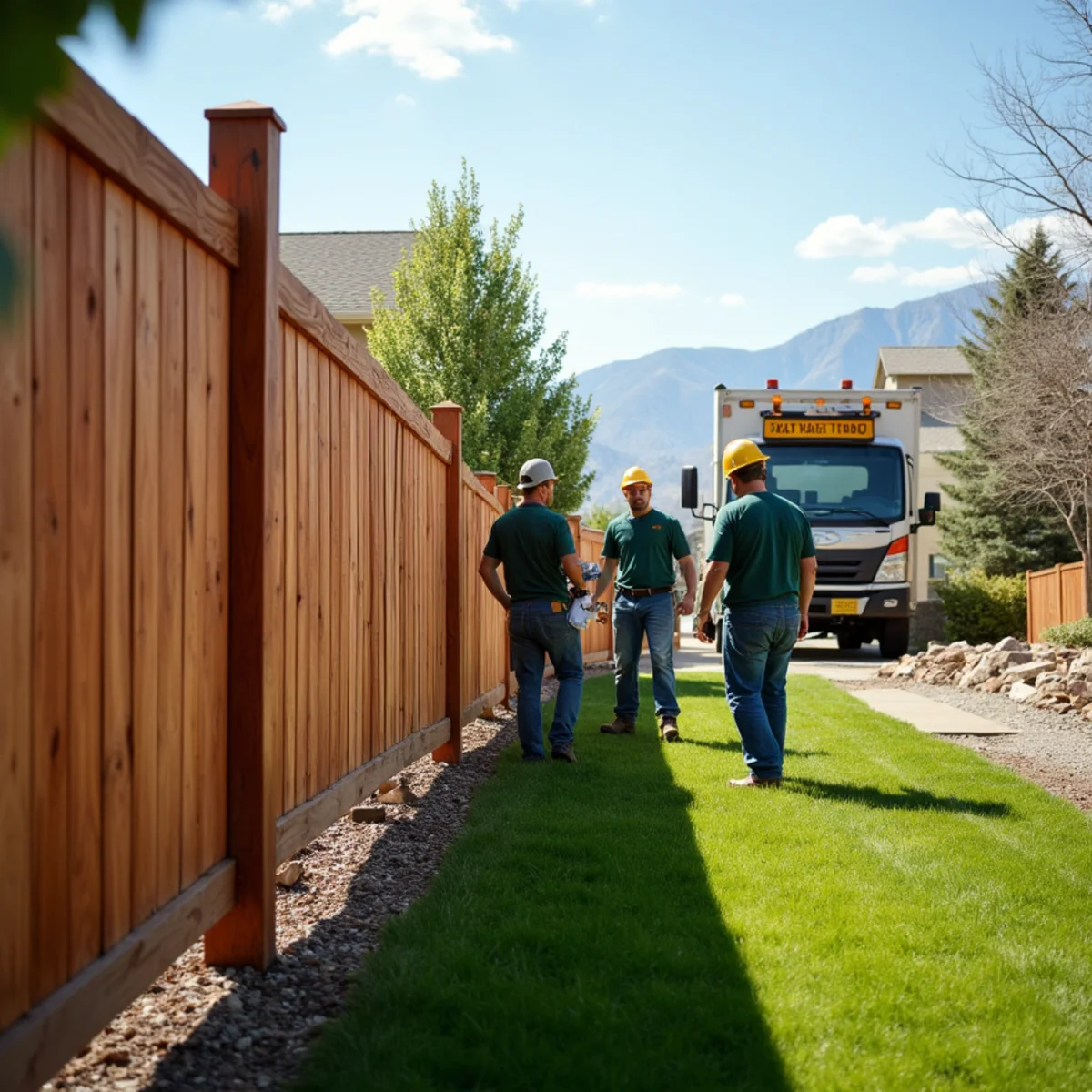
Field Insight on Chinook Wind Failure Mechanics
In 90% of the emergency storm calls we answer in Falcon, Cimarron Hills, and Fountain, the fence did not fail because the cedar pickets broke. It failed because standard builder posts were set only 16 to 18 inches deep in 40 lbs of dry-poured quick-set concrete, or fastened with smooth pneumatic nails that popped like thumb tacks under 80-mph wind shear.
Tradeoff Consideration: Sistering vs. Excavation: Bolting a temporary metal stake or 2x4 splint to a snapped post provides a quick 48-hour stopgap for pets, but leaving it as a permanent fix will cause catastrophic failure during the next wind event. Digging out the old concrete plug is essential.
Guide Outline: Fence Blown Down by Wind in Colorado Springs? Do This
- 1.Immediate Safety Measures & Securing Household Pets
- 2.Documenting Storm Damage for Insurance & Shared Boundary Neighbors
- 3.Diagnosing the Root Cause: Rotted Posts vs. Fastener Pullout
- 4.Rebuilding to Front Range Wind Standards: Depth, Concrete & Fasteners
- 5.When to Call Jeremy's Fences for Emergency Bracing and Permanent Rebuilds
- 6.Frequently Asked Questions
Immediate Safety Measures & Securing Household Pets
The first fifteen minutes following a fence blowout are critical for neighborhood safety. High Front Range windstorms regularly rip whole eight-foot privacy sections free, leaving yards exposed to busy arterial roadways like Powers Boulevard, Marksheffel Road, or Academy Boulevard.
Before assessing property damage, ensure all dogs and domestic pets are secured inside the home. High-wind stress causes animals to panic and bolt through perimeter breaches. Next, conduct a careful exterior visual check for compromised overhead utility drops, low-hanging electric lines, or damaged natural gas meters. Never touch a downed wooden panel that is resting against an electric service wire—contact Colorado Springs Utilities immediately at 719-448-4800 to de-energize the hazard.
Once human and animal safety is verified, establish a temporary physical boundary. If loose pickets are blowing across the yard, gather them into a sheltered garage or stack them flat against the foundation weighted with cinder blocks to prevent secondary projectile damage to siding or parked vehicles.
Questions Regarding fence blown down by wind?
Call Jeremy directly for veteran-owned technical guidance on Front Range fencing.
Action Checklist:
- Contain domestic pets in an interior room or secure kennel
- Check perimeter for fallen utility wires or damaged gas lines
- Gather loose boards and weight them down to eliminate flying projectile hazards
- Set up temporary wire or orange safety netting across open spans
Documenting Storm Damage for Insurance & Shared Boundary Neighbors
Before taking a saw or hammer to the fallen fence, thoroughly document the scene with high-resolution digital photographs and video. Homeowners insurance adjusters in Colorado Springs require clear date-of-loss documentation to process claims under Coverage B (Other Structures).
Capture wide-angle photographs showing the full length of the fallen run in relation to your home, garage, and neighboring property lines. Next, take clear close-up shots of the failure points. Specifically photograph the post bases at ground level: show whether the post snapped cleanly due to dry rot, pulled out of the soil along with its concrete collar, or sheared off at the fastener lines. If pickets tore off the horizontal 2x4 rails, photograph the smooth nails that pulled free from the wood.
Under Colorado common boundary fence principles (C.R.S. 35-46-112), shared property line fences represent a mutual responsibility. Having detailed photo documentation allows you to approach your adjoining neighbor with a factual, transparent record of what failed, paving the way for amicable 50/50 cost sharing on the rebuild.
| Evidence Category | What to Photograph | Why the Adjuster Needs It |
|---|---|---|
| Wide-Angle Overview | Full perimeter run showing house and neighbor lines | Proves the total linear footage affected by the storm |
| Post Base Close-Up | Ground-line break, rot level, and concrete footing | Differentiates sudden wind shear from long-term deferred maintenance |
| Fastener Failure | Pickets separated from rails, showing nail heads | Demonstrates whether pneumatic nails pulled loose under wind pressure |
| Surrounding Context | Fallen tree limbs, blown shingles, or neighbor damage | Corroborates localized high-wind weather event for the claim file |
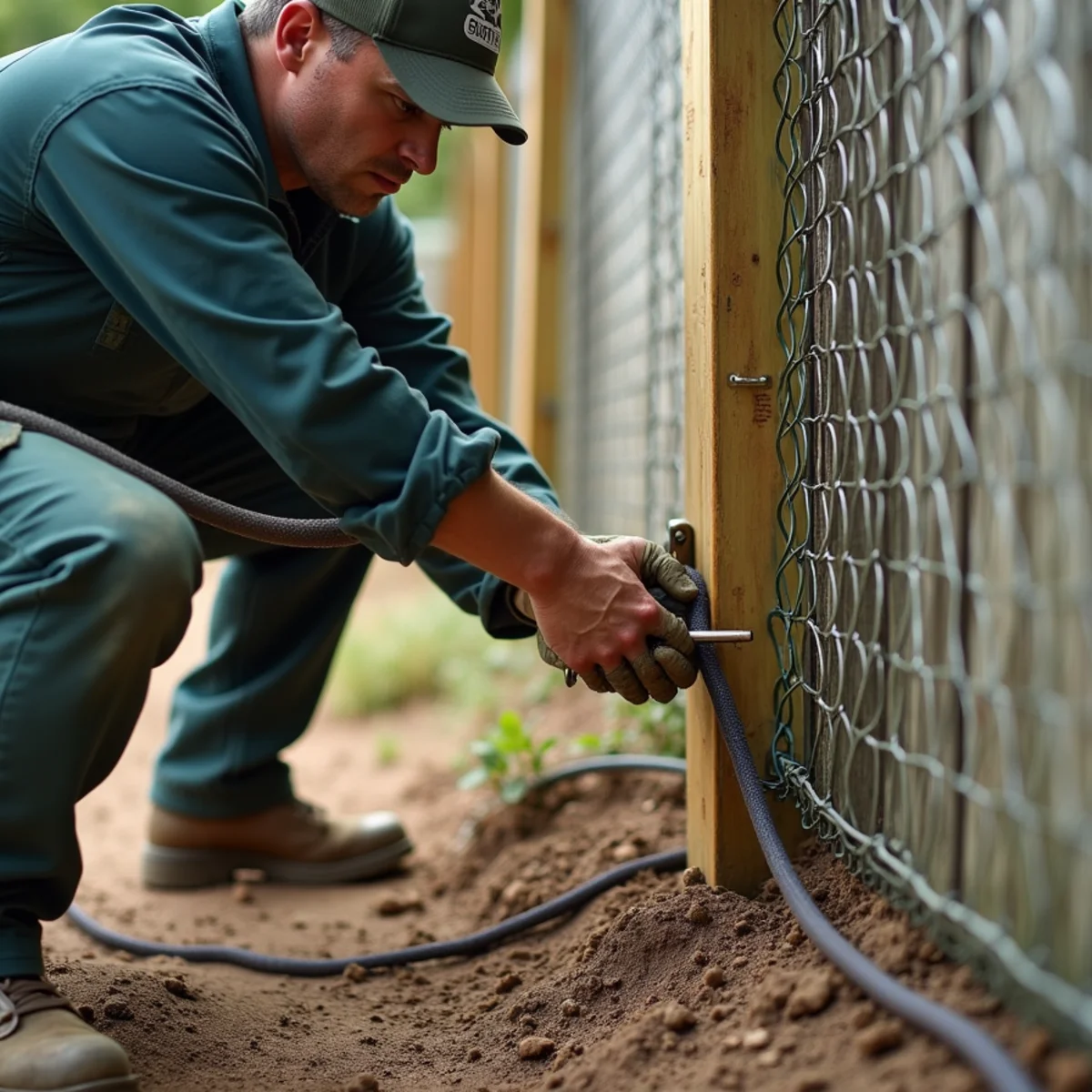
Diagnosing the Root Cause: Rotted Posts vs. Fastener Pullout
Understanding why your fence collapsed prevents you from repeating the same construction mistakes during the reconstruction. Fences in El Paso County fail under wind pressure through two primary structural flaws: post failure and fastener failure.
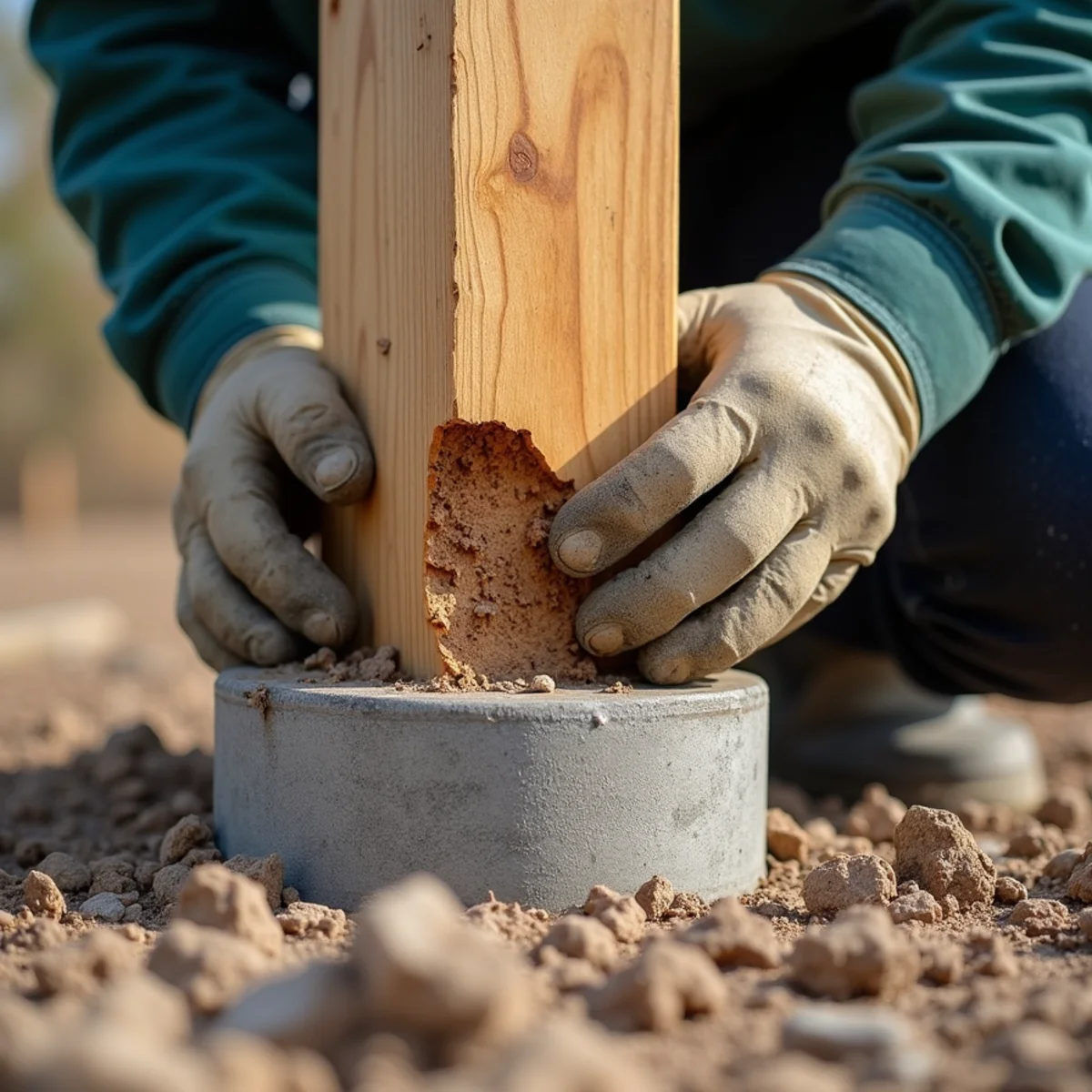
Post failure almost always occurs at the critical soil-air transition zone—precisely where the wooden 4x4 exits the concrete footing 1 to 2 inches below grade. In Front Range soils, moisture accumulates at this collar, creating a breeding ground for fungal rot. When Chinook winds exert hundreds of pounds of lateral sail pressure against a 6-foot solid privacy wall, a post with even 30% core rot will snap like a matchstick. If the post came out of the ground with its concrete intact, the footing was dug too shallow (less than 20 inches) and was dislodged by frost heave.
Fastener failure occurs when contractors use smooth pneumatic finish nails or framing staples. As dry Colorado air causes lumber to shrink and swell, smooth nails lose their friction grip. A 75-mph gust creates suction behind the fence that simply pops nailed boards off the rails.
Action Checklist:
- Inspect post collar 2 inches below grade with a screwdriver to test for soft core rot
- Check whether concrete footing shifted or lifted out of the ground completely
- Verify if rails were fastened with ceramic exterior screws or smooth framing nails
- Measure post spacing to confirm spans do not exceed 8 feet on center
Rebuilding to Front Range Wind Standards: Depth, Concrete & Fasteners
To build a fence that survives Colorado Springs' severe spring and winter windstorms, you must engineer for lateral load resistance. Jeremy's Fences constructs every perimeter installation using our rigorous Veteran Standard.
First, post hole depth must penetrate minimum 24 inches below grade—reaching past the 20-inch El Paso County frost line into dense, undisturbed subsoil. For heavy gate hinge posts and corner terminals, we bore to 30 or 36 inches. Second, we bell-shape the base of every excavation, creating an inverted cone that mechanically locks the footing into the earth and prevents frost jacking. Third, we pour approximately 100 pounds of commercial-grade concrete per post hole, rodding the slurry to eliminate air voids and sloping the top collar away from the wood to shed surface rainwater.
Finally, framing fasteners are non-negotiable: we exclusively drive ceramic-coated, lifetime-guaranteed exterior screws. Ceramic screws provide deep aggressive threads that bite into wood fibers, providing over 300% greater withdrawal resistance than standard nails.
| Engineering Spec | Standard Builder Approach | Jeremy's Fences Veteran Standard |
|---|---|---|
| Post Hole Depth | 16–18 inches in loose dirt | Minimum 24–30 inches below frost line |
| Concrete Volume | 40–50 lbs dry-pour mix | 100 lbs commercial concrete per post |
| Footing Profile | Straight cylinder or V-shape | Bell-shaped bottom to lock footing against heave |
| Fastener Type | Pneumatic smooth nails | Ceramic-coated lifetime exterior screws |
| Lumber Grade | Bulk bundled green pine | Hand-selected Western Red Cedar & Douglas Fir |
When to Call Jeremy's Fences for Emergency Bracing and Permanent Rebuilds
Attempting to reset heavy wooden fence sections alone without proper hydraulic post hole augers and bracing equipment can result in severe personal injury or property damage. If your boundary is breached, pets are loose, or posts are leaning dangerously over a neighbor's driveway, call Jeremy directly at (614) 543-4232.
We provide rapid emergency stabilization across Colorado Springs, Fountain, Security-Widefield, Falcon, and Monument. Our crew will secure your open perimeter with temporary braces, clear hazardous broken lumber, and provide an honest, itemized written proposal detailing exact post depths, concrete weights, and cedar specifications. We do not use high-pressure sales tactics or take shortcuts with your security.
Action Checklist:
- Call (614) 543-4232 for direct veteran-led dispatch
- Receive clear written estimate with itemized labor and materials
- Full property line and Colorado 811 utility locate coordination
- Lifetime craftsmanship warranty on all ceramic fasteners and structural posts
Frequently Asked Questions
Yes. Most standard homeowners policies cover windstorm fence damage under Coverage B (Other Structures), typically paying actual cash value or replacement cost minus your deductible. If a localized storm caused sudden structural failure, your claim is generally valid, whereas chronic rot without storm winds may be excluded.